LandCruiser 70 Series and Ram 1500 Could Lose Emissions Exemption
A federal proposal could drag WA's most popular heavy-duty vehicles into Australia's emissions laws from mid-2027.
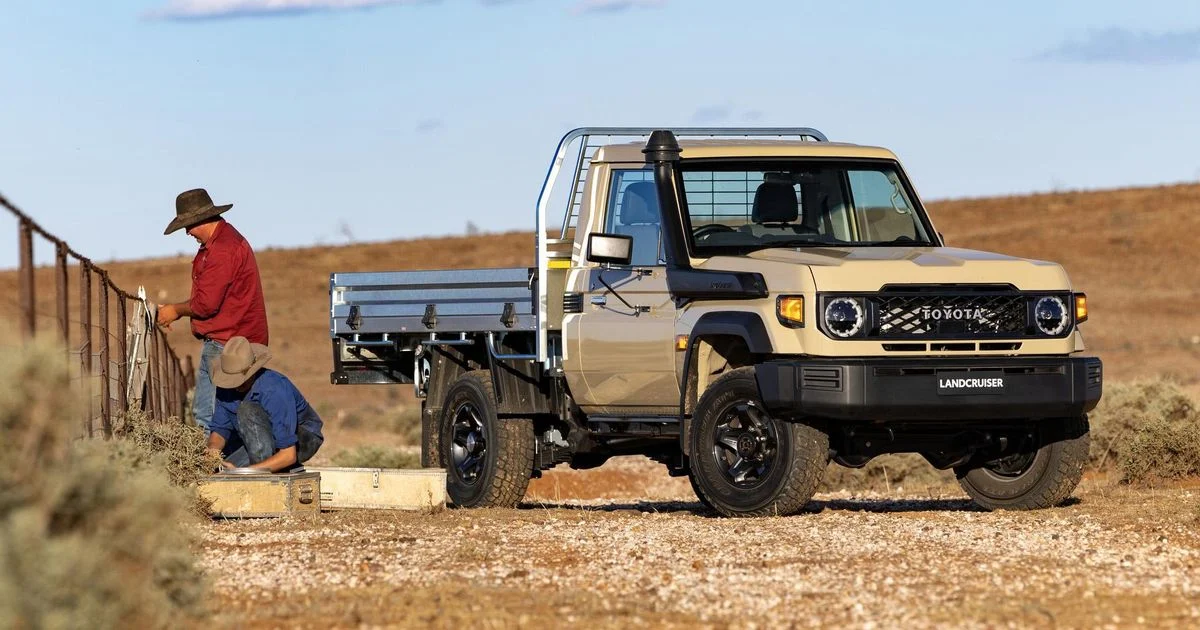
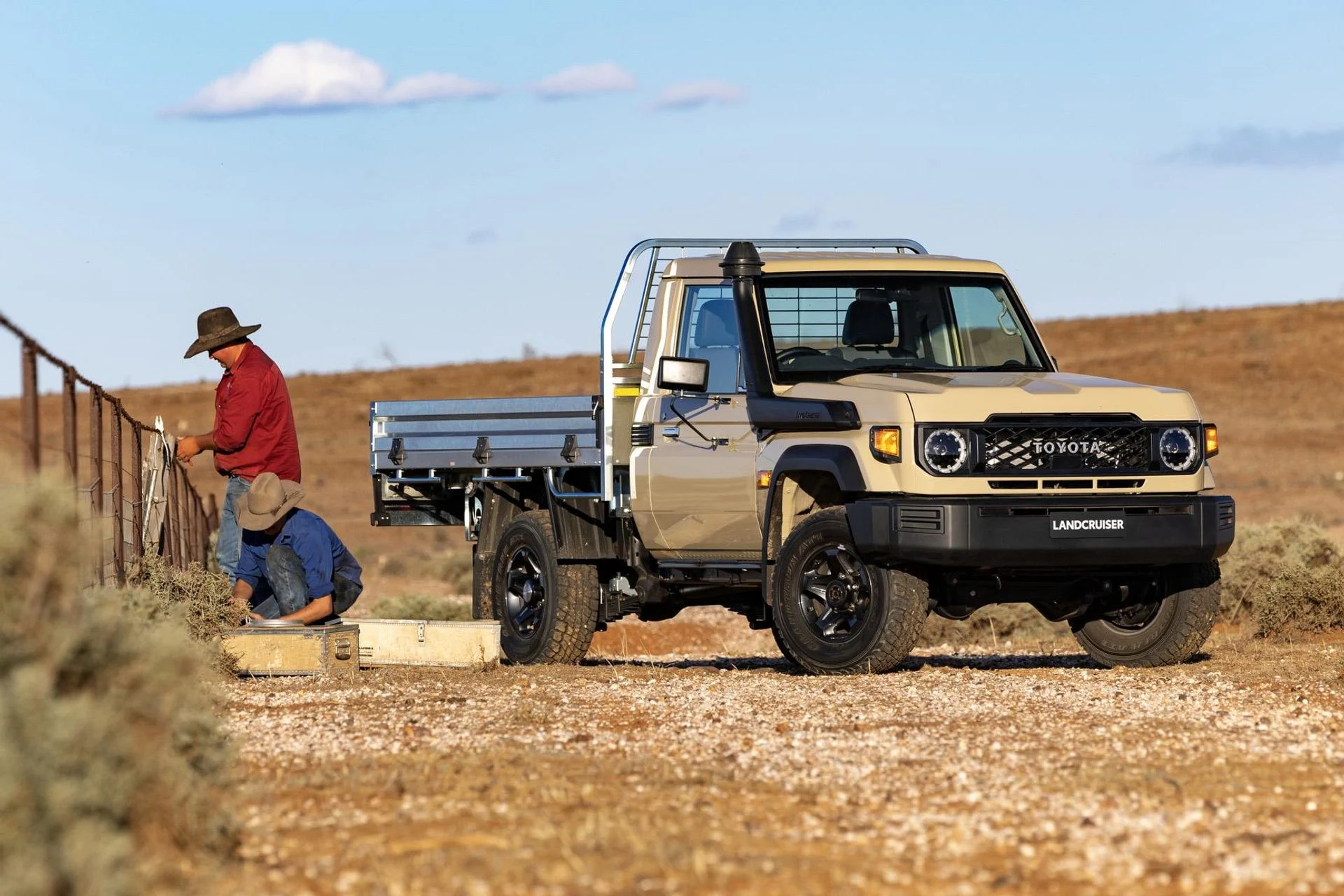
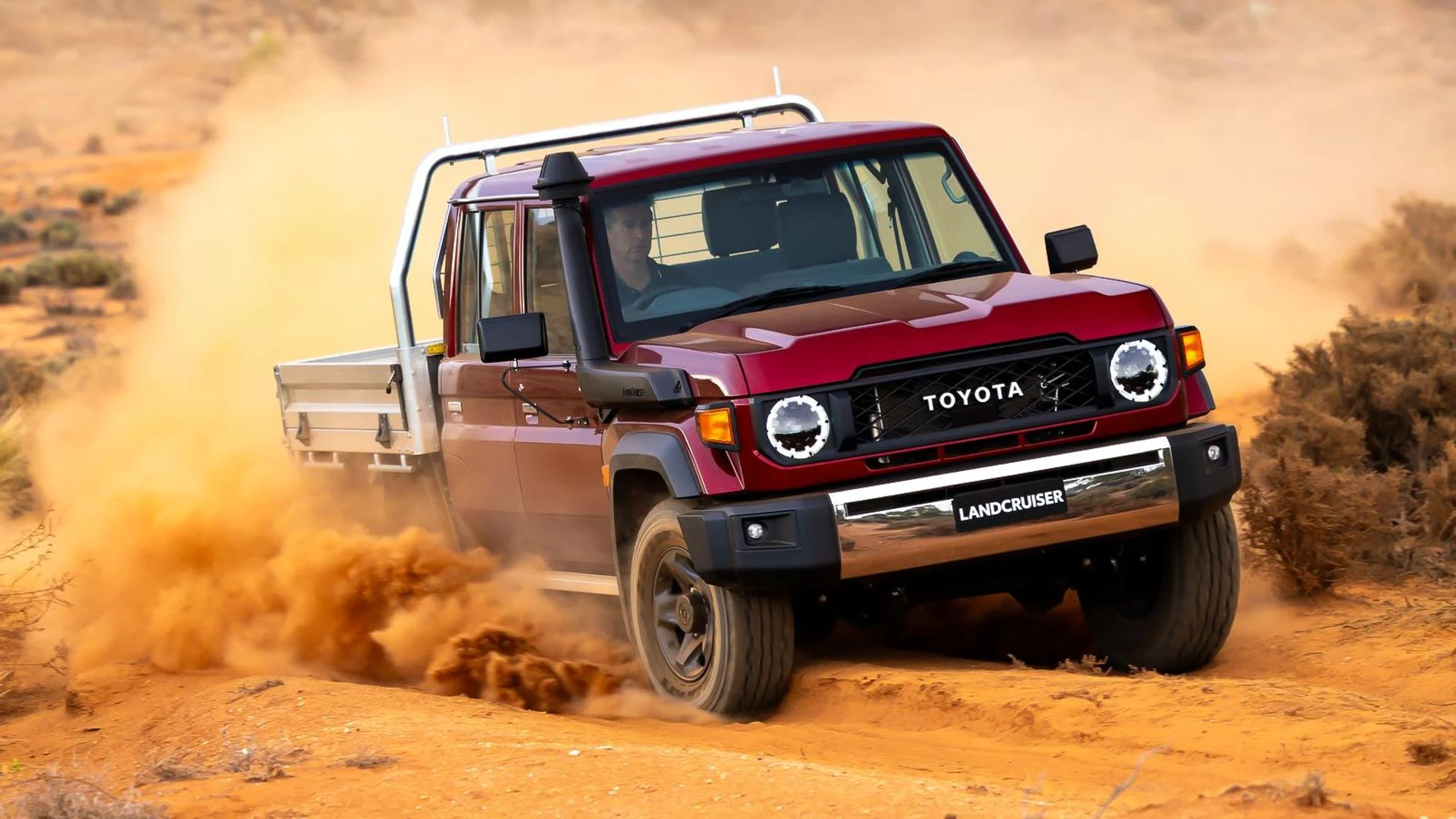
If you're driving a Toyota LandCruiser 70 Series out of Perth and into the WA outback, or running a Ram 1500 as a workhorse on a regional property, here's a regulatory change worth keeping an eye on. The federal government is considering pulling a handful of heavy-duty vehicles into Australia's New Vehicle Efficiency Standard (NVES) — and the deadline for public submissions on that proposal was July 20, 2026.
What's the NVES and Why Does It Matter?
The NVES came into effect on January 1, 2025. It sets CO2 emissions limits on vehicles sold by each manufacturer in Australia, with those limits tightening every year until 2029. Brands that exceed their fleet-wide emissions cap face financial penalties starting at $50 for every gram of CO2 over the limit — serious money at scale.
Currently, vehicles with a gross vehicle mass (GVM) above 3.5 tonnes are exempt. That exemption is what's now under review. The proposal targets a specific slice: vehicles with a GVM between 3.5 and 3.855 tonnes that are used as substitutes for passenger vehicles.
Which Vehicles Are Affected?
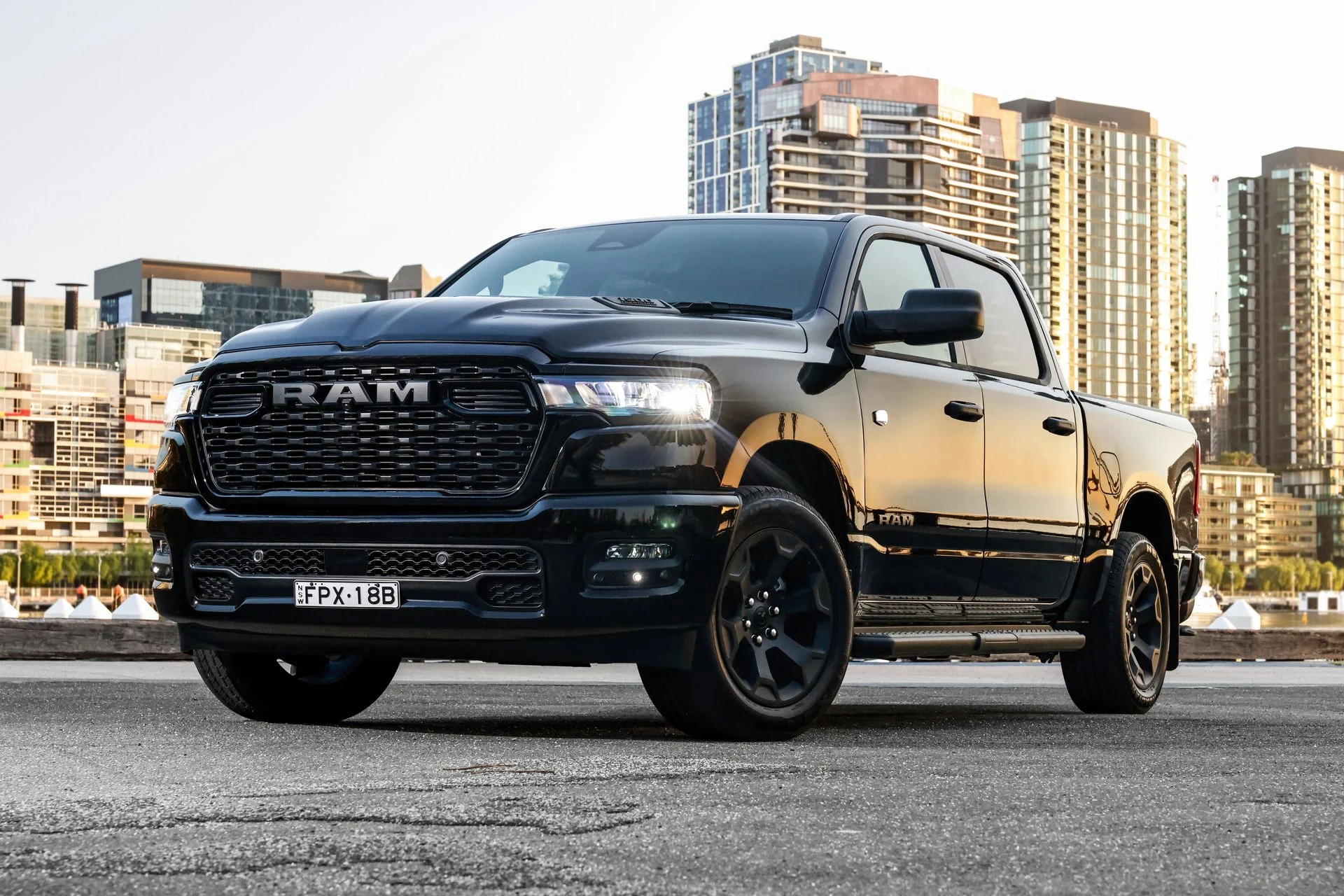
The Ram 1500 sits right in the crosshairs with a 3505kg GVM, as does the Toyota Tundra at 3536kg. The Ford Transit also falls within this range. These are vehicles with a strong following in WA — particularly among tradies, farmers, and anyone needing serious towing capacity without stepping up to a full commercial rig.
By contrast, the Ford F-150 (GVM up to 3360kg) and Chevrolet Silverado 1500 (3300kg GVM) are already included in NVES reporting and won't be newly affected.
The reason these heavier vehicles were exempt from day one was simple: there was no standardised way to measure their CO2 emissions under Australian Design Rules. That changed in May 2026 with the introduction of ADR 114/00, which established a CO2 measurement standard for vehicles in the 3.5–3.855 tonne GVM bracket. With that technical hurdle cleared, the government can now bring them into scope.
If the proposal is adopted, vehicles supplied before June 30, 2027 will remain exempt. From July 1, 2027 onwards, they'd count towards each manufacturer's NVES figures.
What Does This Mean for WA Buyers?
In the short term, probably not much at the dealership level. But the longer-term picture is what WA buyers should watch. If manufacturers are penalised for selling high-emissions vehicles, they face a choice: absorb the costs, cut supply to markets where these vehicles are popular, or push prices up to offset penalties.
For a state where the 70 Series LandCruiser is practically standard equipment in the Pilbara and Kimberley, and where fuel prices already sting harder than in the eastern states, any move that squeezes supply or inflates prices on capable, proven workhorses matters.
Larger vans — think Renault Master and Mercedes-Benz Sprinter — won't be pulled into the NVES until at least December 31, 2029, so that's a separate conversation down the track.
The bottom line: if you're in the market for a Ram 1500, LandCruiser 70 Series, or Ford Transit, buying before June 30, 2027 locks you in under the current exemption. After that date, it depends on what the final regulations look like — and how manufacturers choose to respond.
Get WA car news in your inbox
New reviews and buying guides for Western Australian buyers.