BYD Mako Ute: What WA Buyers Need to Know Before 2027
BYD's compact monocoque ute is heading to South America first — but Australia, and WA, is firmly in its sights.
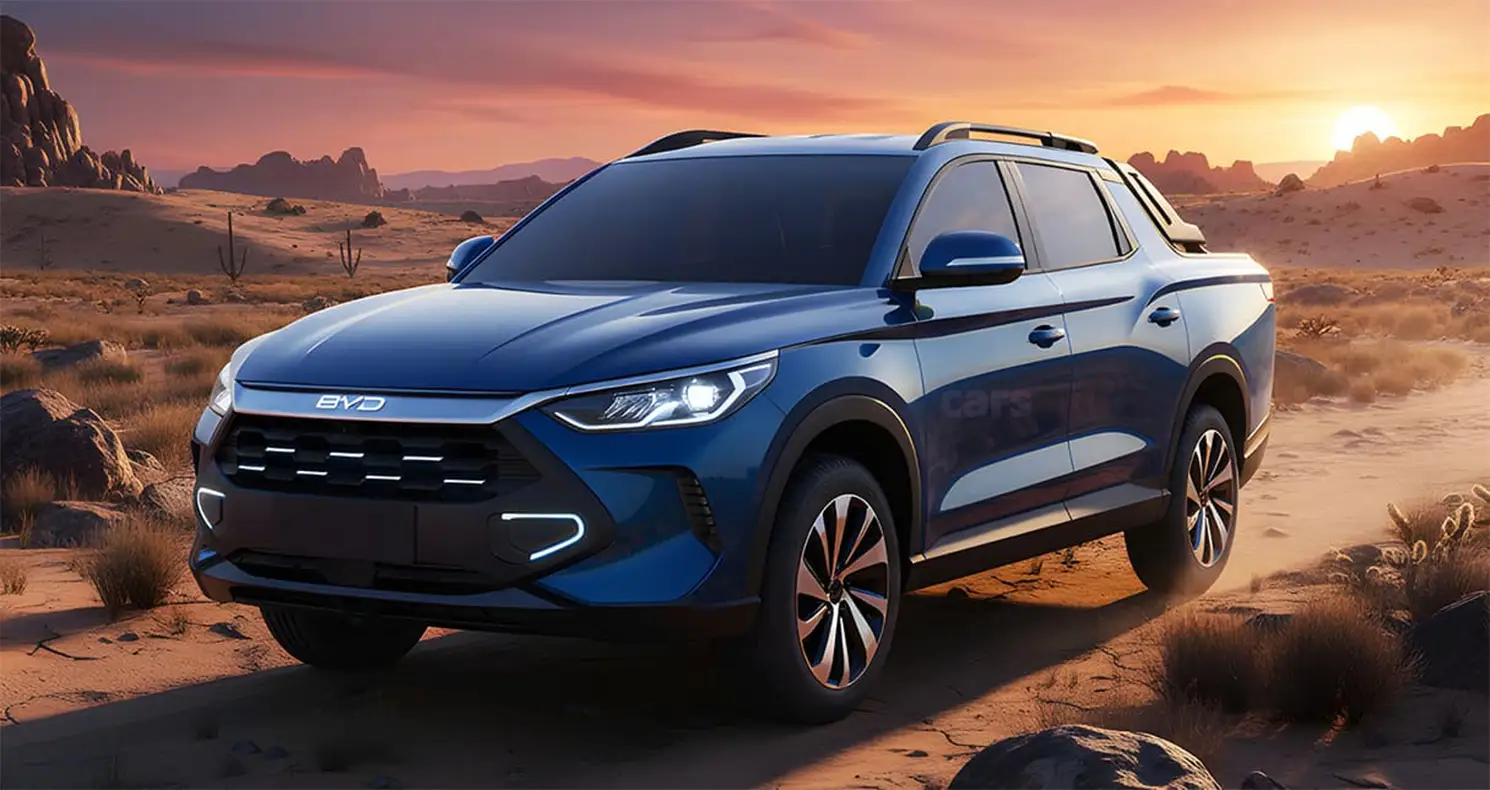
Utes are the best-selling vehicles in Western Australia, but most of us aren't using them on job sites — we're driving them through Subiaco, along the Fremantle foreshore, or heading out to the Wheatbelt for the weekend. BYD appears to have clocked this shift, and the Mako looks built for exactly that kind of use.
What Makes the Mako Different from Every Other Ute
The big talking point is the chassis. Where your Ford Ranger or BYD Shark 6 sits on a ladder frame — stiff, truck-derived, not exactly plush on Perth's patchwork roads — the Mako uses a monocoque construction. That's the same platform approach underpinning SUVs and hatchbacks, which means a noticeably more comfortable and car-like driving experience without completely abandoning towing and carrying capability.
Think of it less as a scaled-down workhorse and more as a proper dual-purpose vehicle: comfortable enough for daily commuting and capable enough for a loaded trailer run to Bunnings or a weekend trip to the Pilbara.
The Mako is expected to run a plug-in hybrid setup borrowed from the Sealion 6 SUV — a 1.5-litre turbocharged petrol engine paired with an electric motor. In the Sealion 6, that combination produces up to 253kW and 550Nm. The Mako is expected to land somewhere between 175kW and 200kW depending on the market, with an electric-only range of around 100km. For WA buyers watching fuel prices at the bowser, that EV range for everyday driving is genuinely useful.

What It Looks Like and What It'll Cost
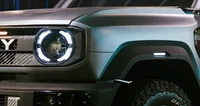
Spy shots from testing in China show a rounded, modern body with a more compact tray than traditional utes. The front grille mirrors the styling on BYD's Sealion 5 SUV, and there's an integrated rear sports bar that gives it a cleaner look than the aftermarket setups most people bolt on anyway. It rides lower than a conventional ute but still has reasonable ground clearance — so it's not going to struggle on a gravel station road, but it's not pretending to be a serious off-roader either.
Pricing hasn't been confirmed, but BYD has signalled it will sit below the Shark 6, which starts from $55,990 before on-road costs. If BYD can bring the Mako in comfortably under that figure, it becomes a serious proposition for WA buyers who want a practical ute without paying full-size ute money.
The official unveil is set for September 2025, with South America getting it first. Australia is unlikely to see it before 2027 — but BYD has form for moving fast when it wants to, and the brand has already flagged it's developing a model specifically targeted at the Australian market.
Should WA Buyers Pay Attention Now?
Yes. The monocoque ute segment is still finding its feet in Australia, but globally it's gaining real traction — the Ford Maverick has been a standout success in the US, and more compact lifestyle utes are coming from multiple brands. BYD has already proven with the Shark 6 that it can sell utes here, and the Mako targets a slightly different buyer: someone who wants the practicality of a ute without the bulk and fuel costs of a full-size ladder-frame vehicle.
If you're in the market for a ute in the next couple of years, keep this one on your radar. More detail on specs and Australian pricing is expected later in 2025.
Get WA car news in your inbox
New reviews and buying guides for Western Australian buyers.