GM's Hands-Free Super Cruise Tech: Will WA Drivers Ever Get It?
GM's Super Cruise is expanding globally, but Australian buyers are still left waiting with no confirmed timeline.
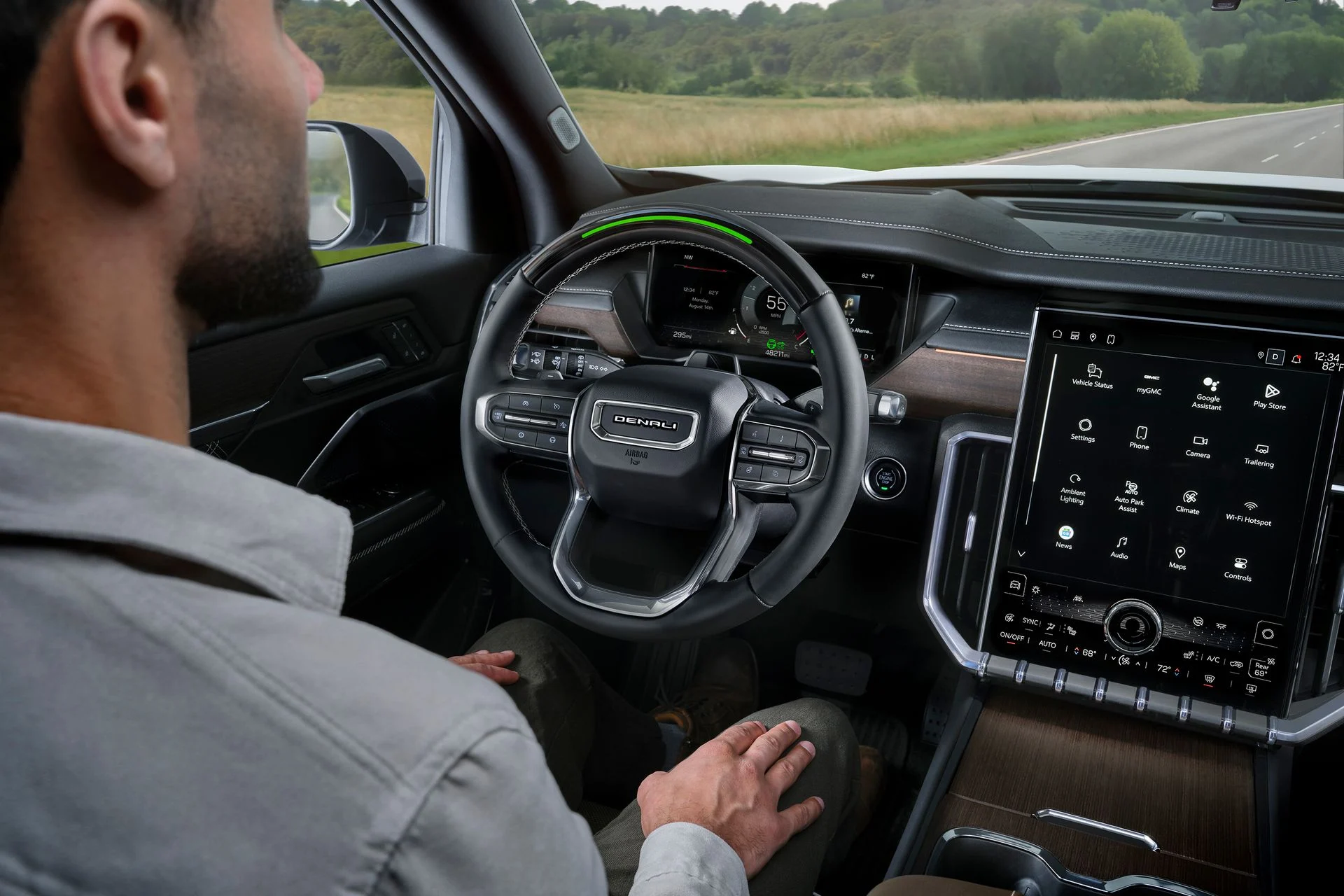
If you've ever wished you could take your hands off the wheel on a long stretch of the Great Eastern Highway, GM's Super Cruise technology sounds like it was built for roads like that. The reality for WA buyers, however, is that it remains firmly out of reach — and there's no clear timeline for when that might change.
What Is Super Cruise and Why Does It Matter?
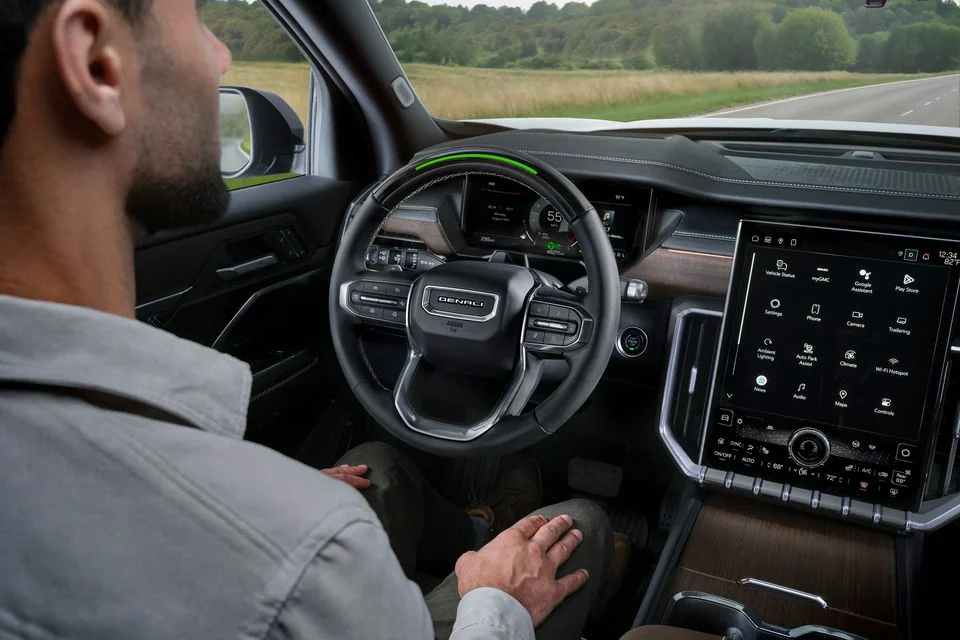
Super Cruise is General Motors' Level 2+ hands-free driving system. It lets drivers take their hands off the wheel on mapped divided highways — think long, open roads rather than city streets — while a driver-facing camera monitors that you're still paying attention. It combines adaptive cruise control, lane-centring, and can even execute lane changes on its own when conditions are right.
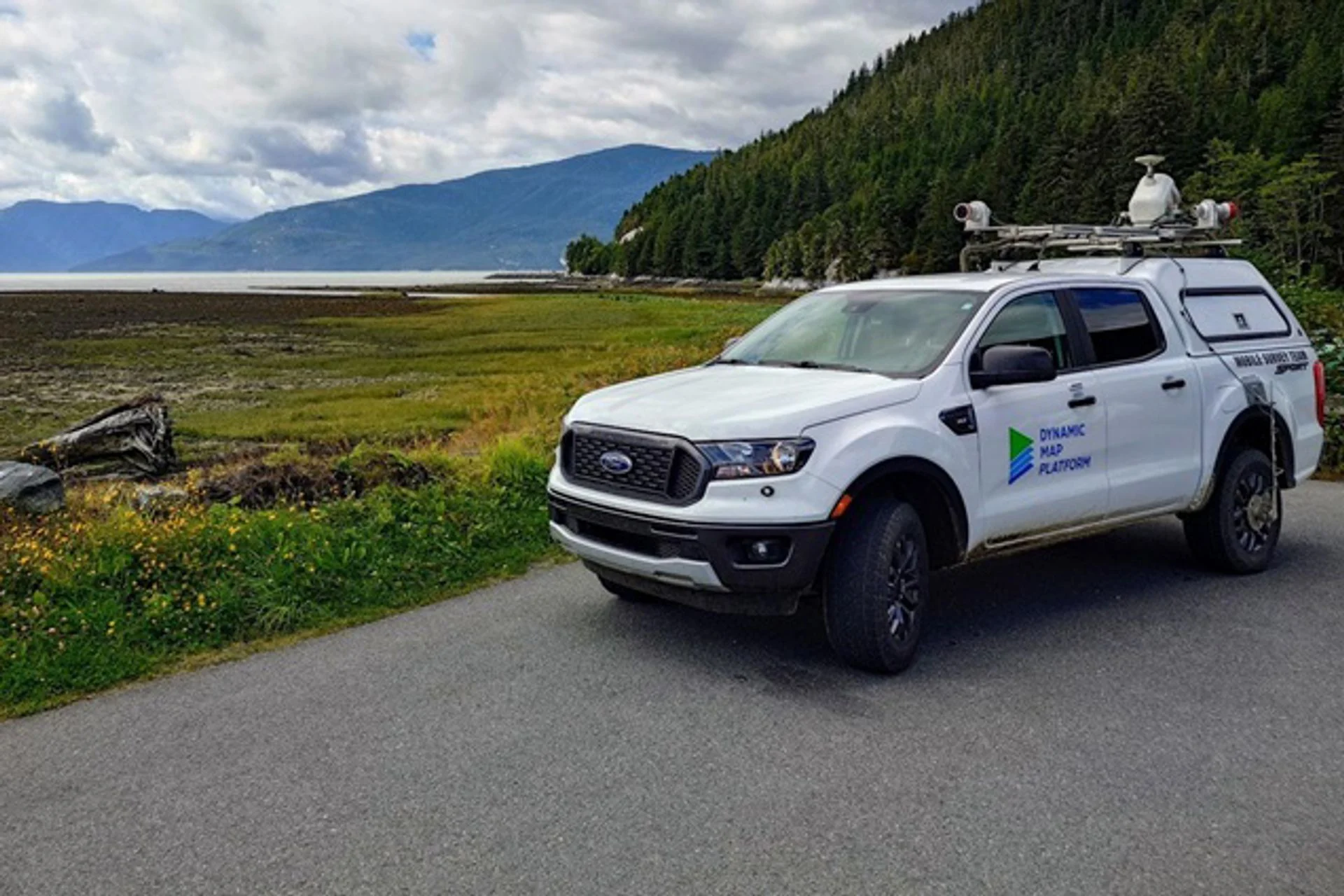
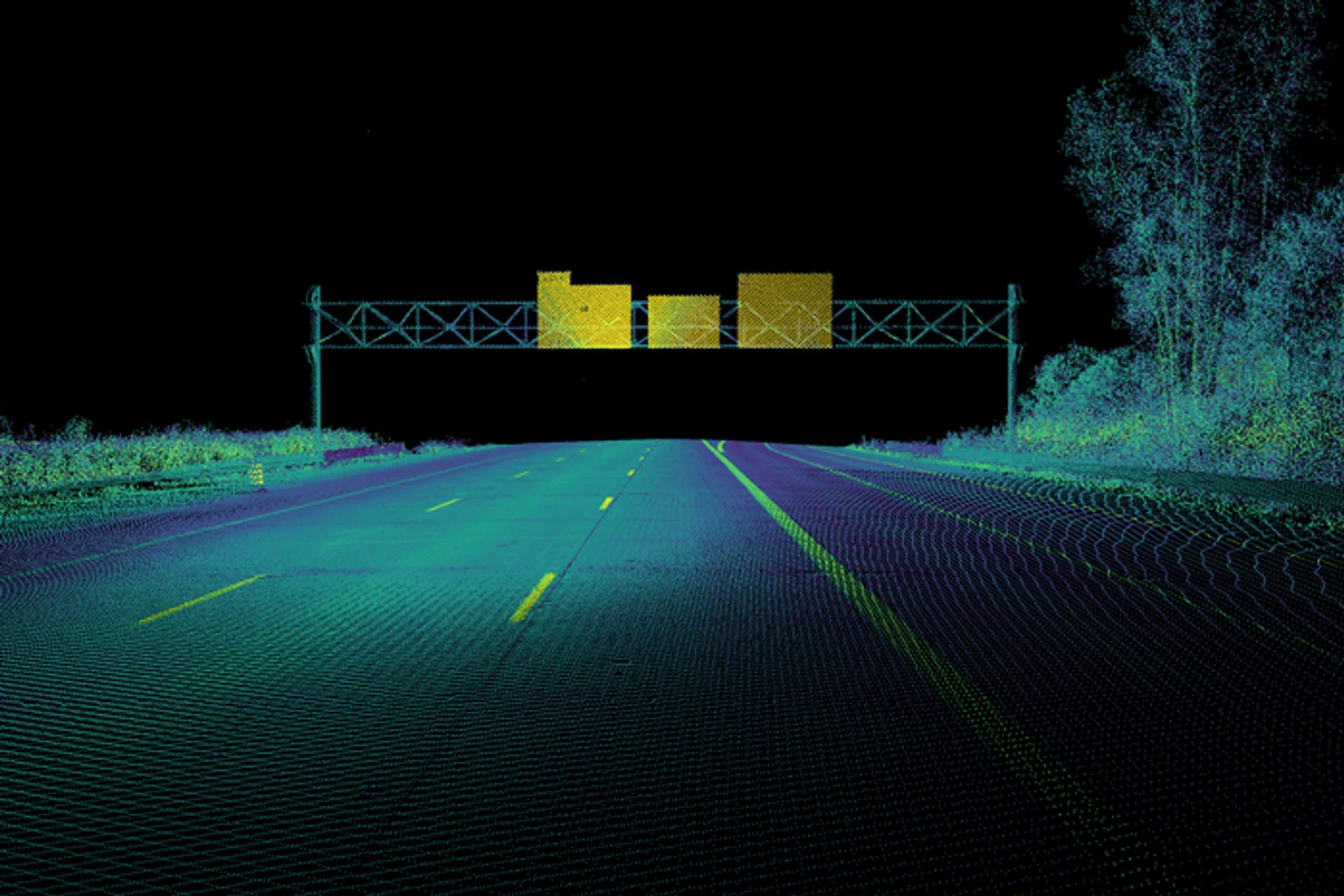
The system uses cameras, radar, GPS, and critically, proprietary LiDAR-scanned map data. That last part is the real sticking point for Australia. GM contracts a company called DMP to map roads with LiDAR-equipped vehicles, and that mapping costs millions of dollars and takes roughly two years per country, according to Super Cruise product manager Jeff Miller.
Super Cruise has been available in the US and Canada since 2017, China since 2020, and is now expanding into Middle Eastern markets including Oman, Kuwait, and Bahrain. Australia? Still not on the list.
The Barriers Are Real — And Expensive
GM ANZ managing director Jess Bala confirmed to Australian media that regulation is one hurdle, but it's not the only one. The cost and time involved in LiDAR mapping the Australian road network is a significant commercial decision GM hasn't yet committed to making.
For WA specifically, the opportunity is obvious. The state has some of the longest straight highway stretches in the country — the kind of monotonous, fatigue-inducing driving between Perth and regional centres like Geraldton, Kalgoorlie, or Bunbury where hands-free highway tech would genuinely reduce driver stress and improve safety. The irony is that WA's vast, relatively simple road network is arguably closer in character to the mapped highways in the US than to Sydney or Melbourne's congested urban sprawl.
GM did file to trademark the Super Cruise name with IP Australia in October 2025, which at least signals the brand is thinking about this market. But a trademark filing is a long way from a launch date.
What You Can Actually Buy Right Now
Vehicles already on sale in Australia — including the Chevrolet Silverado, Cadillac Lyriq, and the incoming Cadillac Optiq and Vistiq — are sold without Super Cruise activated, even though some of them carry the black steering wheel panel designed to light up when the system is running in North America. It's a visible reminder of what's missing.
The Cadillac Lyriq launched here with only basic lane-keep assist as a result. A lane-centring system that works on non-Super Cruise roads is coming to the Optiq and Vistiq locally, and the Lyriq is set to receive it in its next model-year update — so there is some progress.
Meanwhile, Tesla's Full Self-Driving (Supervised) system is already operational across Australia on all road types, and continues to receive updates locally. It's a different approach to the same problem, and for WA buyers shopping GM or Cadillac product today, that gap is hard to ignore.
The bottom line: if Super Cruise is a feature you're counting on, don't factor it into your purchasing decision yet. It may come — but GM isn't making any promises.
Get WA car news in your inbox
New reviews and buying guides for Western Australian buyers.