Is Jeep About to Follow Holden Out of Australia?
Stellantis brands are haemorrhaging sales — and WA buyers need to know what's at stake.
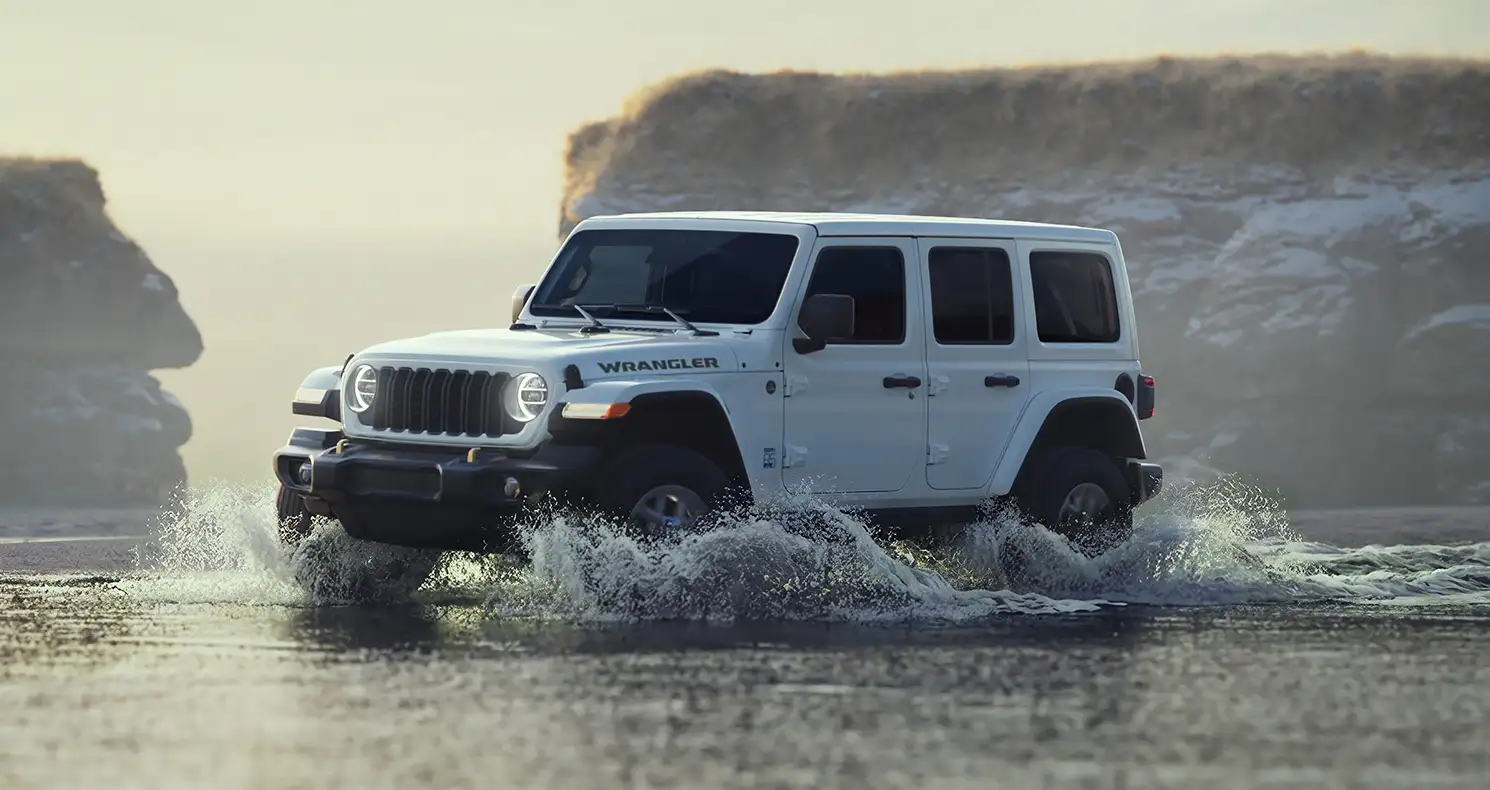
If Holden — a brand woven into Australian identity for decades — could be wiped from showrooms overnight, no brand is truly safe. And right now, Jeep is looking uncomfortably familiar.
Parent company Stellantis recently held an Investor Day presentation spruiking €60 billion in investment, 60 new vehicles and 50 updated models across its sprawling portfolio — Jeep, Ram, Alfa Romeo, Fiat, Peugeot and more. Big numbers, bold promises. But Australians have heard this before, and the sales figures tell a grimmer story.
Jeep's Numbers Are Alarming
Jeep sales in Australia are down more than 66 per cent in the first five months of 2026. The brand is on track to sell around 700 vehicles for the entire year. To put that in perspective, that's not enough to fill a modest car park at Karrinyup Shopping Centre. For a non-luxury brand, that volume is simply not viable long-term.
It shouldn't be this way. WA is exactly the kind of market where Jeep should be thriving — Perth drivers want capable SUVs, and anyone heading bush toward the Pilbara, the Kimberley, or even just the Wheatbelt wants something that can handle corrugated dirt roads and creek crossings. The Wrangler and Gladiator are built for that life. And yet buyers have walked away.
The damage is partly self-inflicted. Years of reliability concerns, recalls, and a confusing pivot toward EVs alienated the loyal customer base Jeep had spent decades building. Once that trust goes, it's hard to win back — especially when Toyota, Ford, and a wave of Chinese brands are offering competitive alternatives.
The Catch-22 Facing Stellantis in Australia
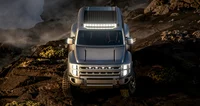
Stellantis is now course-correcting on EVs — the Recon will get a petrol powertrain option, and a new Compass plus refreshed Grand Cherokee, Wrangler, and Gladiator are in the pipeline. That's the right direction for a market like WA, where EV charging infrastructure outside the metro area remains patchy at best, and where long highway runs between regional towns make range anxiety a genuine concern.
But here's the problem: Australia's New Vehicle Efficiency Standard (NVES) means Stellantis faces potential fines if it abandons its electrified lineup. So the business is stuck — push EVs that WA buyers don't want, or sell the petrol models buyers actually want and wear the financial penalty. Neither option is clean.
And Jeep isn't alone in struggling. Alfa Romeo is down 46.8%, Fiat is down 24.3%, and Peugeot has dropped 35% — all off already-weak 2025 results. Even Leapmotor, Stellantis' Chinese EV brand, has managed just 529 sales year-to-date through May, well behind newer Chinese entrants like Denza, which arrived this year and has already cleared 1,600 sales.
What This Means If You're Considering a Jeep
Stellantis has said it remains committed to Australia. General Motors said the same thing about Holden. Dodge and Chrysler have already quietly exited.
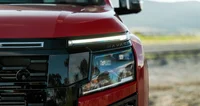
If you're shopping for a Wrangler or Gladiator right now, the vehicles themselves may still be worth considering for WA conditions — but factor in the long-term picture. Parts availability, dealer network support, and resale value all take a hit if a brand's future becomes uncertain. It's the same calculation WA buyers had to make with Holden in its final years.
Stellantis has the product plan to turn things around. Whether it can actually execute — and whether Australian buyers give it another chance — is the real question.
Get WA car news in your inbox
New reviews and buying guides for Western Australian buyers.