Right Car, Wrong Time: The Models That Could Have Won WA
From the Holden Volt to the Nissan Leaf, these cars deserved better — just not when they showed up.
Timing is everything in the car industry. A brilliant concept launched a few years too early — or a few years too late — can spell complete failure regardless of how good the car actually is. For WA buyers who've watched fuel prices spike at the bowser and EV infrastructure slowly creep across Perth, some of these stories will hit close to home.
The PHEV That Holden Got Right (But Too Soon)
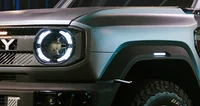
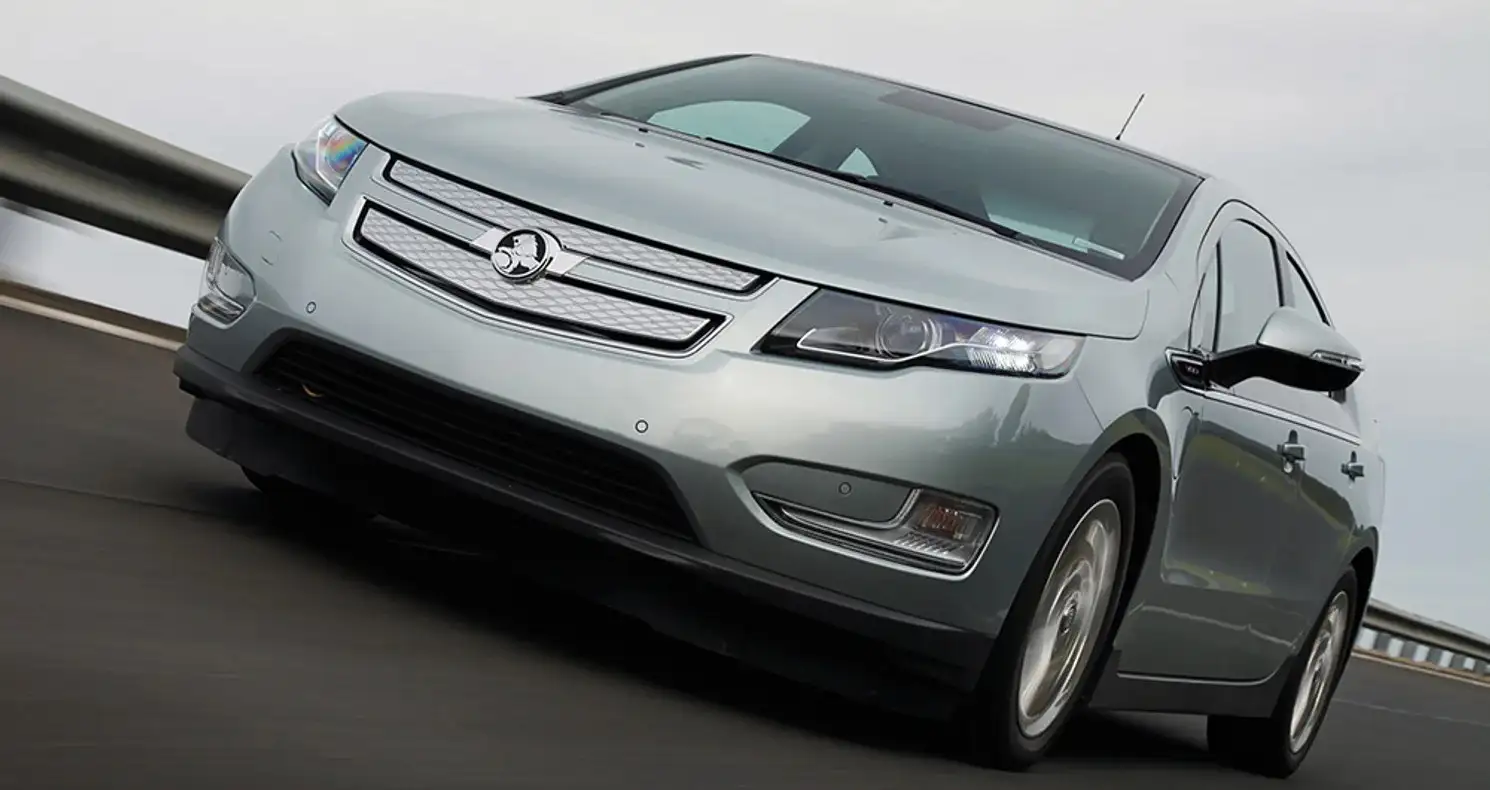
The Holden Volt launched in Australia in 2012 at $59,990 — steep money then, and hard to justify when petrol was still relatively affordable. But strip away the price tag and Holden had essentially built what BYD and GWM are now selling by the truckload. Plug-in hybrid technology that lets you run on electricity for short commutes and switch to petrol for longer runs — ideal for Perth suburbanites doing the school run, but also practical enough for a run up to Geraldton or down to Margaret River.
The tragedy is Holden simply didn't have the time or appetite to subsidise the technology and bring the price down. By the time the market was ready, the brand was gone.
The Nissan Leaf tells a similar story. Nissan was genuinely at the cutting edge of EVs, but the Leaf launched at $51,500 — far too much for a hatchback — before public charging infrastructure existed in any meaningful way across WA. Spend more than a day outside metro Perth and the Leaf's range anxiety would have been very real. The car spent over a decade on sale and never found its moment.
The Sports Sedan That Missed Its Crowd
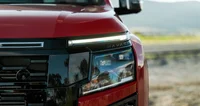
When Kia developed the Stinger — rear-wheel drive, twin-turbo V6, genuinely sporty — the plan was to catch the buyers who'd loved the Commodore SS and Falcon XR6/XR8. On paper, that made sense. WA had plenty of those buyers.
The problem? By the time the Stinger arrived, those buyers had already migrated to SUVs. The local sports sedan culture that the Stinger was banking on had essentially evaporated. It's a good car — genuinely fun on a twisty stretch of road — but Kia was essentially chasing a crowd that had already left the venue.
The MG7 is following a similar path right now. Sharp-looking, turbocharged petrol, competitive price — and almost nobody is buying it. Less than 100 sold nationally in the first five months of 2026. Sedans and liftbacks simply aren't what Australian buyers want anymore, and WA is no different.
The Small SUV Ford Needed — A Decade Too Early
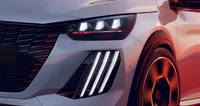
Ford launched the EcoSport back in 2013 — a compact, India-built SUV with an affordable price point. It was ahead of the curve in some ways, arriving before rivals like the Hyundai Venue and Kia Stonic had even been conceived. But Ford misjudged what buyers actually wanted: a jacked-up hatchback, not a pint-sized traditional SUV.
Fast forward to today and a sub-$30,000, fuel-efficient compact SUV built to a competitive price would be exactly what Ford Australia needs — particularly one rugged enough to complement the Ranger and Everest lineup that WA buyers love. Instead, Ford finds itself without an entry point in one of the market's most active segments.
For WA buyers, the lesson in all of this is straightforward: the car market rewards patience. The technology in today's PHEVs and affordable EVs didn't appear overnight — it was being developed and refined through cars like the Volt and Leaf, even when the timing was off. If you're buying now, you're benefiting from a decade of painful lessons learned by these early arrivals.
Get WA car news in your inbox
New reviews and buying guides for Western Australian buyers.