The V8 Is Still Alive — And WA Drivers Should Be Glad
From Perth highways to the Pilbara, the V8 engine refuses to die — and the next wave proves it.
For over 50 years, automotive experts have been writing the V8 engine's obituary. And for over 50 years, they've been wrong. If you're a Western Australian driver who values grunt, range, and real-world capability — whether you're merging onto the Mitchell Freeway or hauling gear across the Nullarbor — the V8's resilience is genuinely good news.
A Long History of Being Written Off
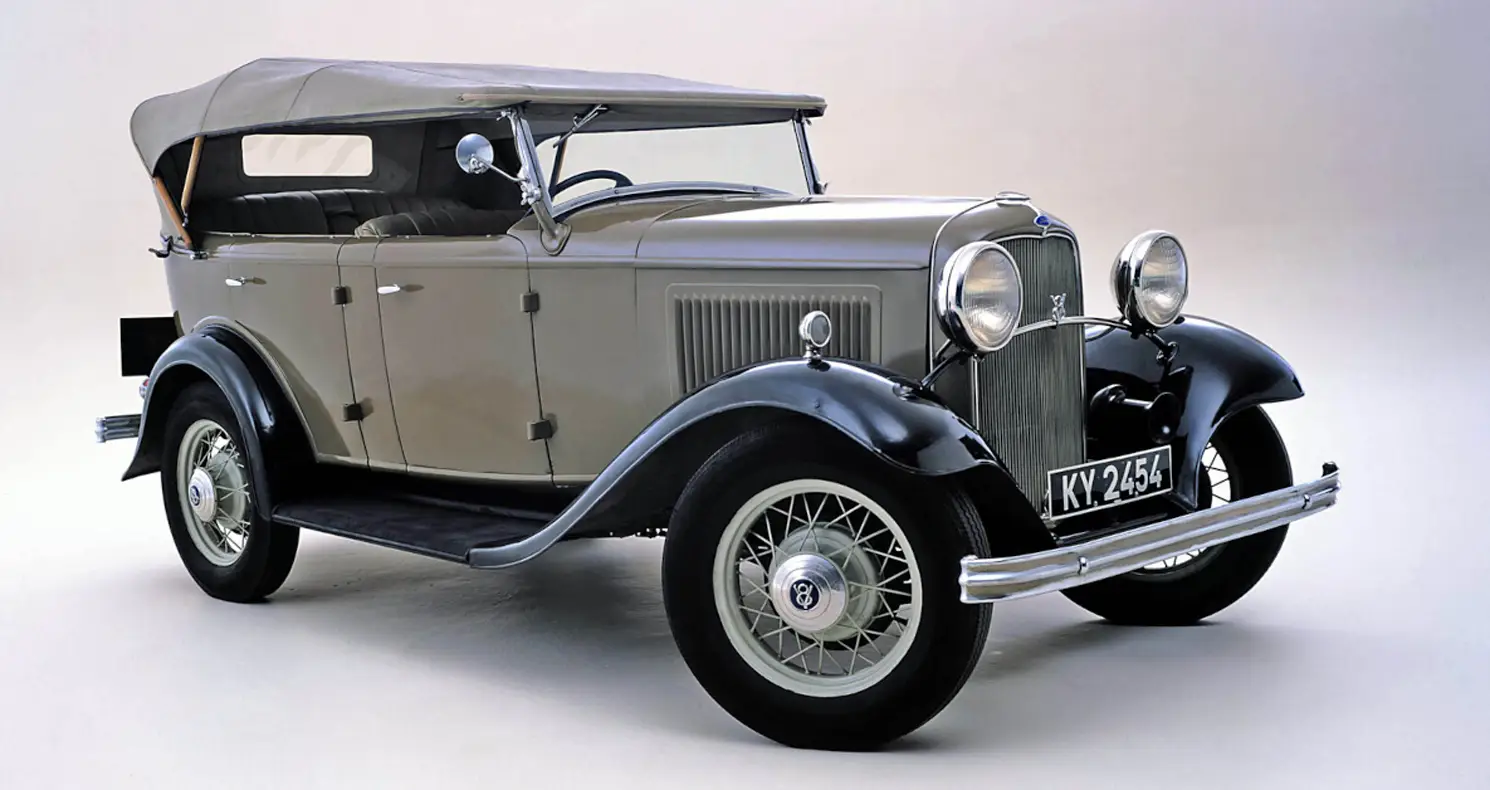
The V8's story starts in 1905 with Rolls-Royce, but it was Henry Ford's 1932 Flathead V8 that cemented the configuration as the people's engine. GM's small block V8, introduced in 1955, went on to become the most produced engine in history — over 113 million units. That's not a footnote. That's a dynasty.
The first serious death notice came with the 1973 OPEC oil embargo, when Arab oil-producing nations slashed supply in response to US support for Israel. Fuel prices spiked globally, environmental awareness grew, and suddenly the V8 was public enemy number one. Emissions regulations strangled output — Cadillac's 8.2-litre V8 dropped from 298kW in 1970 to just 141kW by 1976. It looked cooked.
Then came the Iranian Revolution in 1979, another supply shock, and another round of V8 eulogies. Four-cylinder engines dominated the 1980s. Here in Australia, Ford axed the XE Falcon V8 in 1982. Holden nearly followed in 1984, before a public 'V8s 'til '98' campaign — very Australian, very effective — changed the board's mind.
But the engine kept coming back. Better technology, cleaner combustion, twin turbos, direct injection, cylinder deactivation — each era gave the V8 new tools to survive. And survive it did.
The EV Wave Didn't Finish It Either
The 2010s brought a new existential threat: Tesla, government mandates, and an industry-wide scramble toward battery-electric vehicles. The EU targeted a 90 per cent reduction in average tailpipe emissions for new cars by 2035. The UK pushed a full ICE ban — since walked back by five years. The US is softening its zero-emission timelines too. Consumer demand for EVs has fallen well short of early predictions, and regulators around the world are quietly adjusting accordingly.
That reset has given the V8 room to breathe again — and the industry has noticed.
GM committed US$918 million to upgrade four US facilities producing V8 engines. The sixth-generation small block — now a 6.7-litre all-alloy unit producing 400kW and 705Nm — has landed in the updated Chevrolet Corvette. Mercedes-AMG confirmed its 4.0-litre twin-turbo V8 is staying put after customers made clear they didn't want four-cylinder replacements in performance models. Lamborghini's Temerario pairs a turbo V8 with hybrid electric motors. BMW, Bentley, Porsche, McLaren, Land Rover and Ford are all keeping V8s in their lineups.
And Formula 1 — should you need a cultural barometer — is reportedly planning to bring V8s back from 2030 under FIA President Mohammed Ben Sulayem.
What This Means for WA Buyers Right Now
For Western Australians, the V8's persistence has some practical implications. If you're shopping for a performance vehicle, a large SUV, or a serious tow vehicle, you're not going to be forced into a compromise powertrain anytime soon.
One model worth watching: the GWM Tank 800, a large SUV powered by an all-new 4.0-litre twin-turbo V8 working alongside multiple electric motors. It's due in Australia around mid-2027. Given how WA buyers use large SUVs — long highway runs, dirt roads, towing boats up to Exmouth — a V8 hybrid in that package could be a strong fit.
Fuel prices in Perth have been volatile, and running costs matter. But the argument against V8s has always been overstated for drivers doing serious kilometres on open roads, where efficiency actually improves compared to urban stop-start conditions.
The V8 has outlasted five decades of predictions, two oil crises, a global EV boom, and more regulatory pressure than any other engine configuration. Don't plan its funeral just yet.
Get WA car news in your inbox
New reviews and buying guides for Western Australian buyers.