Volkswagen's Massive Global Cuts: What It Means for WA Buyers
VW plans to axe 100,000 jobs and close four German factories — here's how it affects you.
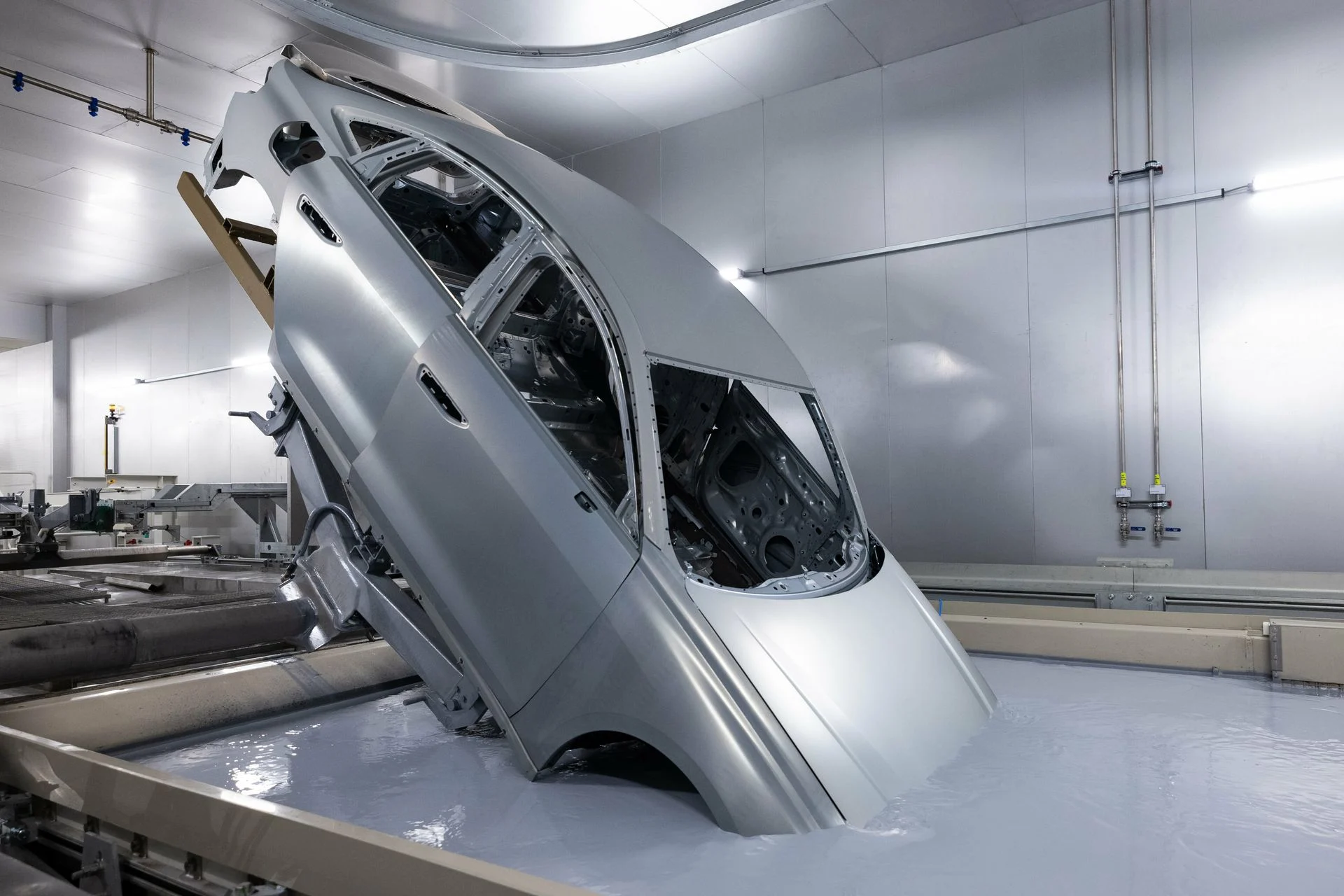
Volkswagen is facing one of the biggest crises in its history, and the ripple effects will be felt by car buyers right here in Western Australia. The German giant is reportedly planning to close four factories in its home country and cut 100,000 jobs worldwide as it scrambles to stay profitable in the face of surging Chinese competition.
What's Actually Happening at Volkswagen
According to reports from Manager Magazin and Reuters, VW Group CEO Oliver Blume has presented a plan to close plants in Hanover, Zwickau, Emden, and Audi's facility in Neckarsulm. Together, those closures would put around 45,000 workers out of a job — and that's before accounting for the broader 100,000 global cuts on the table, which stack on top of a previously announced 50,000-job reduction already underway.
The plan also involves slashing investment by 15 per cent to just over €130 billion (approximately A$215 billion) across the next five years. VW is also looking at splitting its core brand and parts operations into separate entities — a significant structural shake-up for a company that employs over 667,000 people globally.
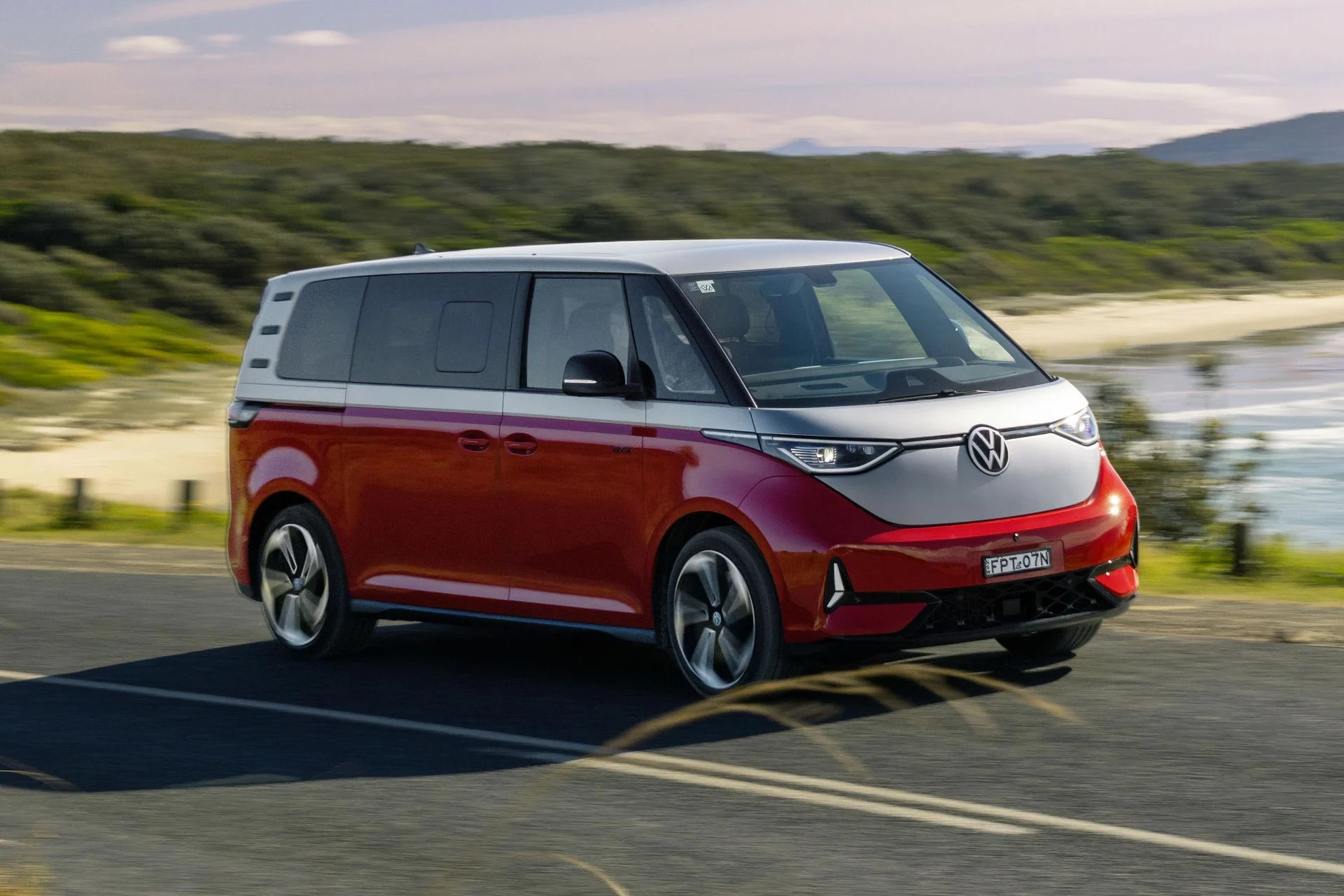
The factories being cut aren't obscure. The Zwickau and Emden plants both produce electric vehicles including the ID.4 and ID.5 — models you can walk into a Perth dealership and buy today. The Hanover plant builds the ID. Buzz and Multivan. Audi's Neckarsulm facility makes the A5, A6, and outgoing A8.
Unions are already pushing back hard. Under German law, workers occupy half the seats on VW's supervisory board, and IG Metall has made clear it will fight the cuts. Lower Saxony — the state government and VW's second-largest shareholder — is also expected to resist.
Why This Is Happening
The short answer: China. VW dominated the Chinese market from 1986 until 2023, when BYD overtook it. In 2025 alone, VW Group sold 2.69 million vehicles in China — down 8 per cent year-on-year. Chinese brands have moved quickly in the EV space, and VW has struggled to keep pace.
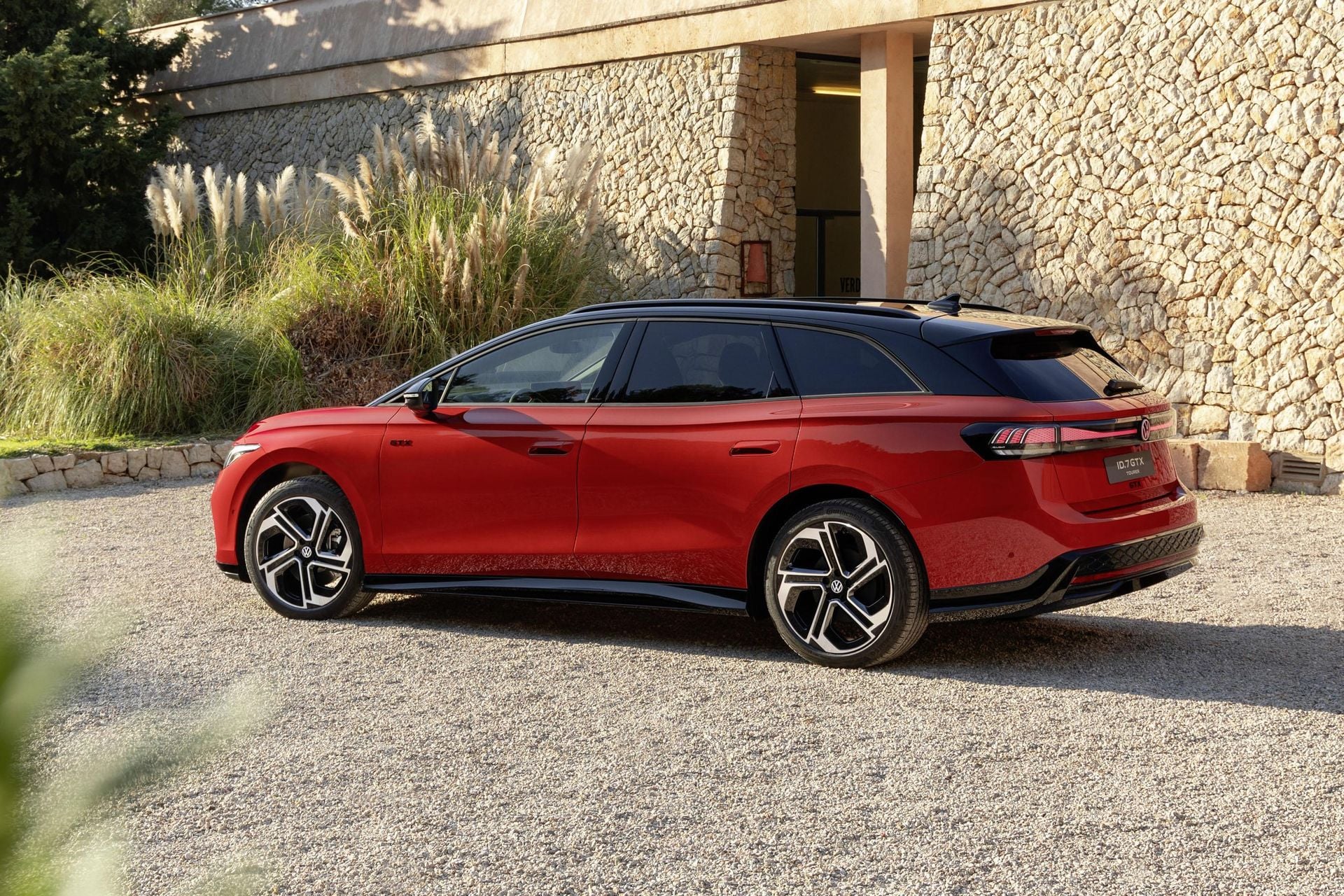
This is the same competitive pressure WA buyers are starting to see at home. Chinese brands like BYD, MG, and GWM are offering well-equipped cars at aggressive prices — putting pressure on European marques to justify their price tags. For Perth drivers weighing up a Golf against a BYD Seal or an Audi Q4 e-tron against an Atto 3, the market dynamics playing out globally are already landing on local forecourts.
What It Means If You're Buying a VW or Audi in WA
In the short term, nothing changes for WA buyers. Dealerships are stocked, parts supply is normal, and there's no reason to panic about servicing or warranty support. Volkswagen Australia operates independently of its European manufacturing footprint.
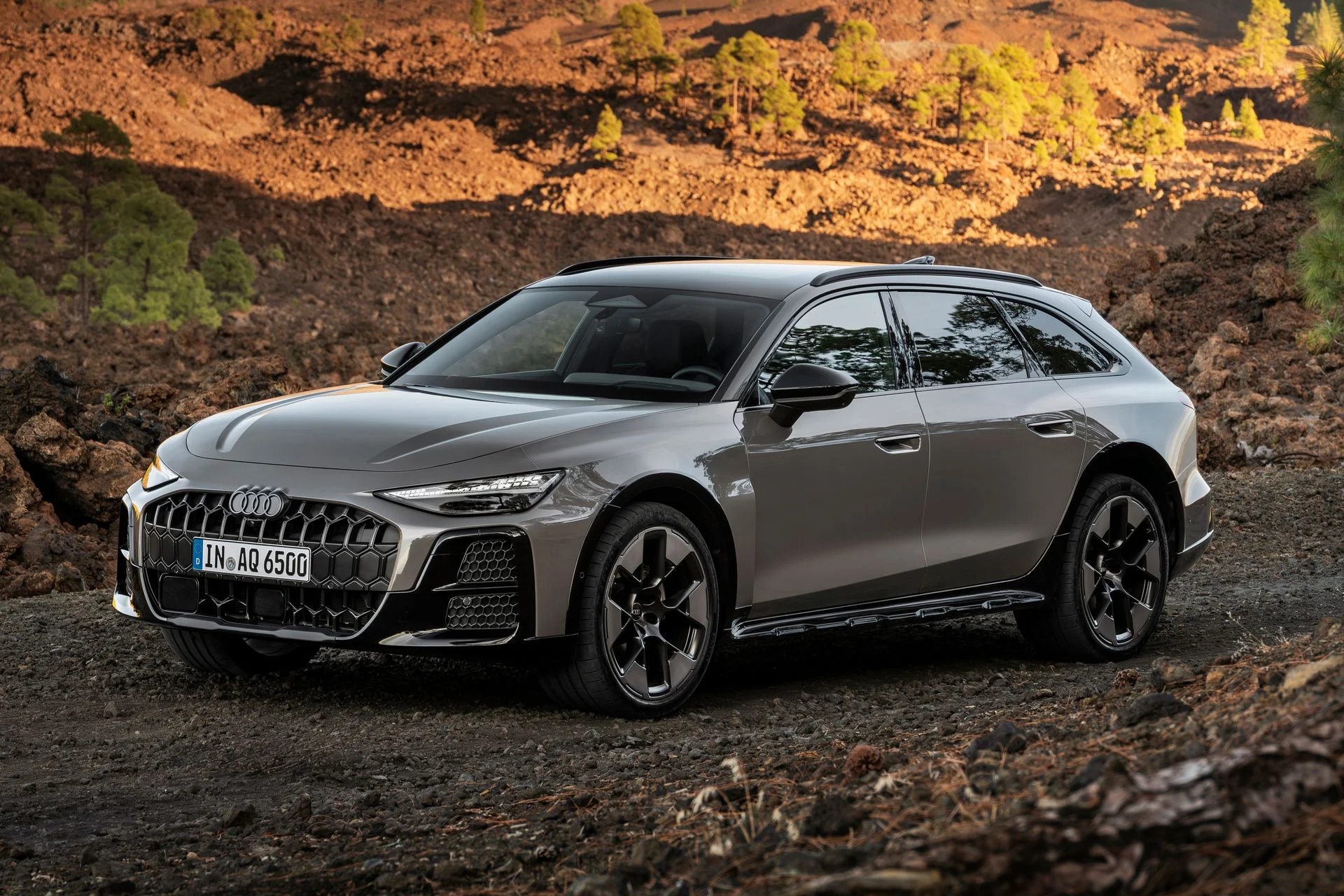
Longer term, restructuring at this scale could affect which models make it to Australia. If certain EV platforms or model lines get axed during the cost-cutting, future choices at Perth dealerships could narrow. It also raises questions about where VW focuses its EV investment — and whether the models WA buyers want, particularly capable SUVs suited to driving beyond the suburbs and into regional WA, remain a priority.
If you're already planning to buy a VW or Audi product, this news isn't a reason to rush or delay. But it is a reason to stay informed — and to compare all your options before signing anything.
Get WA car news in your inbox
New reviews and buying guides for Western Australian buyers.